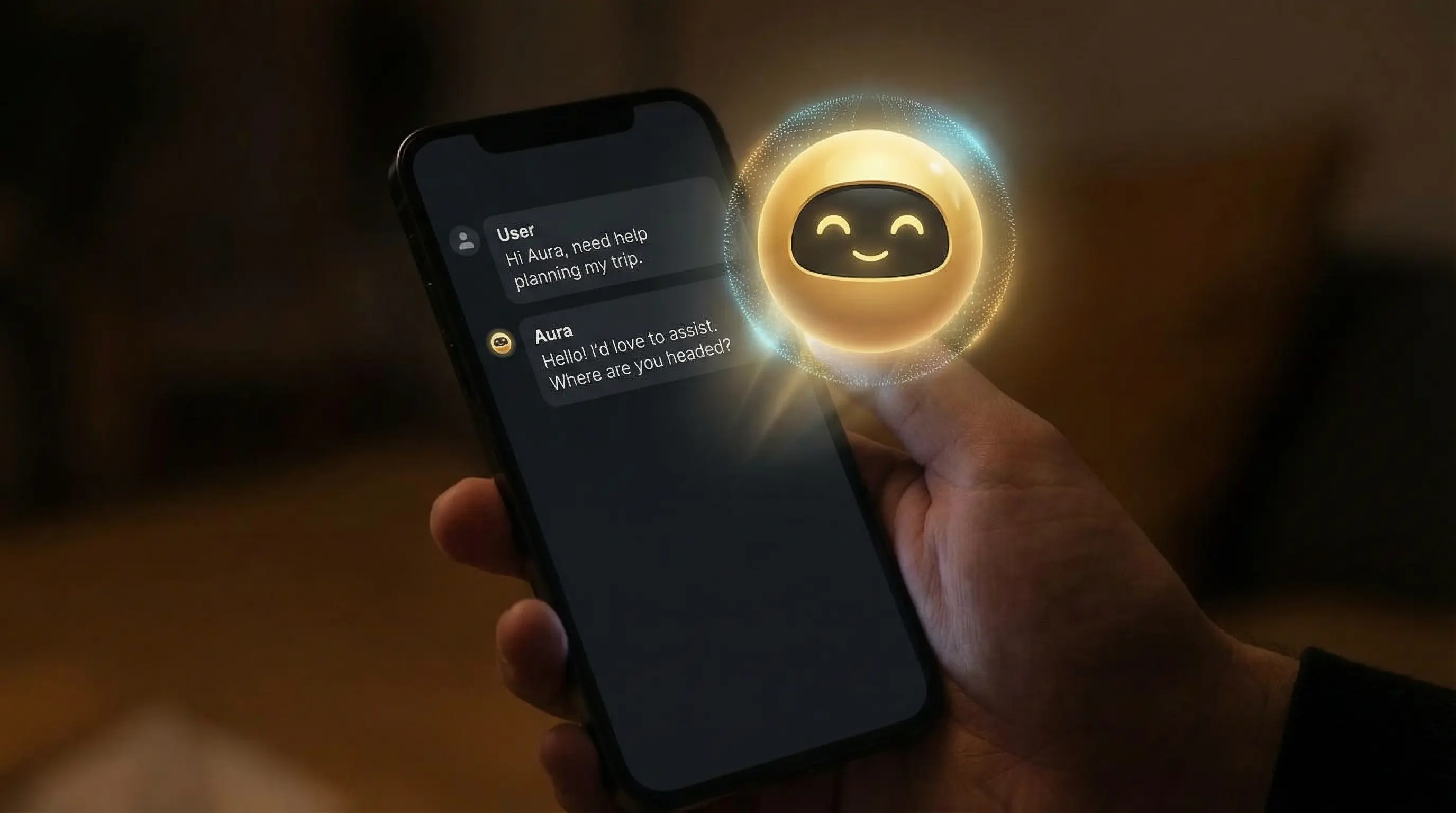
For decades, we’ve navigated the web through a predictable system of menus, buttons, and forms. We click, we scroll, we type in designated boxes. But what if interacting with a website felt less like operating a machine and more like having a conversation? This is the promise of Conversational User Interface (UI), a paradigm shift that is poised to redefine web design in 2026.
- Zero-Friction Inquiries: Engages visitors in dynamic natural dialogue tailored to their immediate questions.
- Real-Time Intent Qualification: Pre-qualifies budget, timeline, and scope before routing to sales teams.
- Personalized Content Delivery: Dynamically renders relevant case studies and answers based on user prompts.
Fueled by breakthroughs in Artificial Intelligence and Natural Language Processing (NLP), conversational UI is moving beyond clunky chatbots to become a seamless, integrated part of the user experience. At Pixel Hatch Studio, we see this as the next frontier in creating truly user-centric websites. It’s about meeting users where they are and allowing them to interact with technology in the most natural way possible: through language.
What is Conversational UI?
Conversational UI allows users to interact with a website or application using natural language, either through text or voice. Instead of clicking through a series of menus to find what they’re looking for, users can simply ask a question or state their intent. The interface then understands the request and provides the relevant information or performs the desired action.
This trend is a direct evolution of the hyper-personalization and AI-driven assistance that experts predicted would dominate 2026. As one report from the Digital Marketing Institute notes, AI is transforming how consumers interact with products and services, with AI agents acting as a primary interface [1].
Traditional UI vs. Conversational UI
Static Web Navigation vs. Dynamic Conversational UI
UX Benchmark| UX Dimension | Static Forms & Menus | Dynamic Conversational UI | Performance Lift |
|---|---|---|---|
| Lead Qualification | Manual review of generic form dropdowns | Autonomous real-time natural language qualification | Instant Qualification |
| Bounce Rate | High abandonment on lengthy multi-field forms | Interactive engagement through step-by-step dialogue | -42% Form Abandonment |
| Dwell Time | Average 45-60 seconds on static service pages | Average 2.5 - 4 minutes in interactive AI dialogues | 3.2x Higher Dwell |
Why Conversational UI is the Future of Web Development
The move toward conversational UI is driven by a simple truth: it’s a more efficient and enjoyable way to interact with technology. Here are the key benefits:
- Reduced Friction: Conversational UI eliminates the need for users to hunt through complex navigation menus. They can simply state what they want, and the interface delivers.
- Enhanced Personalization: By understanding user intent, conversational interfaces can provide highly personalized recommendations and content, creating a more engaging experience.
- Increased Accessibility: For users with disabilities, conversational UI can provide a more accessible way to navigate the web, breaking down barriers that exist in traditional graphical interfaces.
- Valuable User Insights: The questions and phrases users input provide a goldmine of data, offering direct insight into their needs, pain points, and desires.
Designing an Effective Conversational UI
Creating a successful conversational UI is more than just plugging in a chatbot. It requires a deep understanding of user psychology, a strong grasp of NLP, and a commitment to creating a seamless user experience.
Key Principles:
1. Give it a Personality: Your conversational agent should have a distinct personality that aligns with your brand voice. Is it friendly and casual, or professional and formal? This personality should be consistent across all interactions. 2. Manage Expectations: Be clear about what your conversational UI can and cannot do. If it’s designed to help with product recommendations, don’t let users think it can handle complex customer support issues. 3. Provide an Escape Hatch: Always give users a way to connect with a human or revert to a traditional interface if they get stuck. A frustrating conversational experience is worse than no conversational experience at all. 4. Learn and Evolve: Use the data from user interactions to continuously improve your conversational UI. What questions are users asking that it can’t answer? Where are they getting stuck? Use these insights to refine its capabilities over time.
The Conversation Has Begun
While traditional graphical interfaces aren’t going away overnight, the rise of conversational UI marks a significant evolution in web design. By embracing this new paradigm, we can create websites that are not only more intelligent and efficient but also more human. The era of one-way communication is over; the future of the web is a conversation.
References
[1] Digital Marketing Institute. (2026, January 19). The Most Important Digital Marketing Trends You Need to Know in 2026. Retrieved from https://digitalmarketinginstitute.com/blog/digital-marketing-trends-2026
References
- Digital Marketing Institute. (2026, January 19). *The Most Important Digital Marketing Trends You Need to Know in 2026*. Retrieved from https://digitalmarketinginstitute.com/blog/digital-marketing-trends-2026